
Ubud · Bali Basket Export
Bali Basket: Authentic Handcrafted Export
Discover the finest handcrafted Bali baskets for wholesale export. Authentic designs from the heart of Bali, available with clear MOQ and FOB terms.
What are you sourcing?
Tell us what you need and we'll guide you to the right collection and next step.
Bali Basket Export stands as a pivotal hub for discerning buyers seeking high-quality, handmade baskets. Our expertise in the wholesale export of Bali baskets ensures that businesses receive products crafted with precision and tradition. We cater to international retailers, furniture stores, and boutique hotels, offering a seamless procurement experience from Bali’s renowned craft centres.
Key Production Hubs in Bali
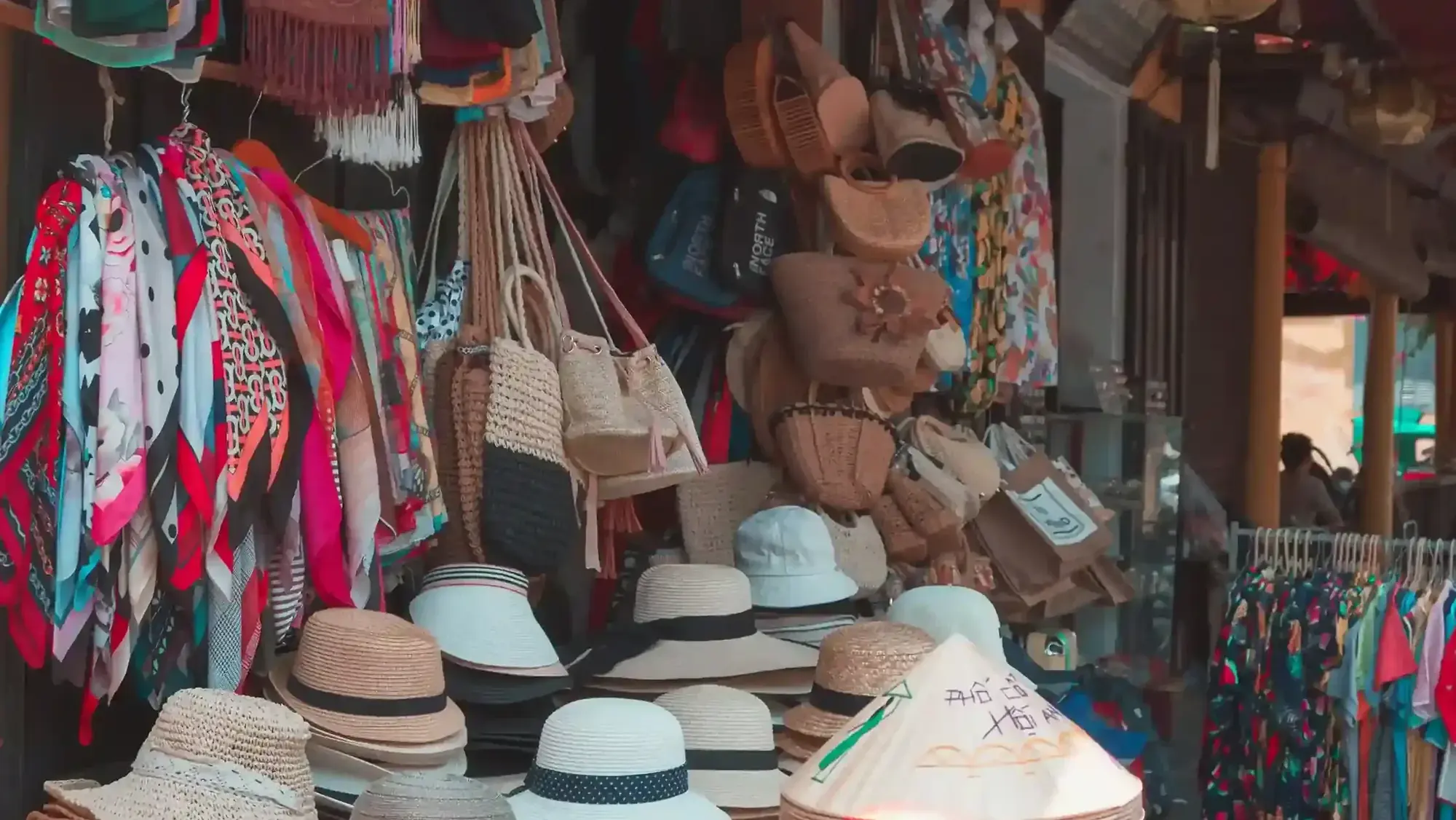
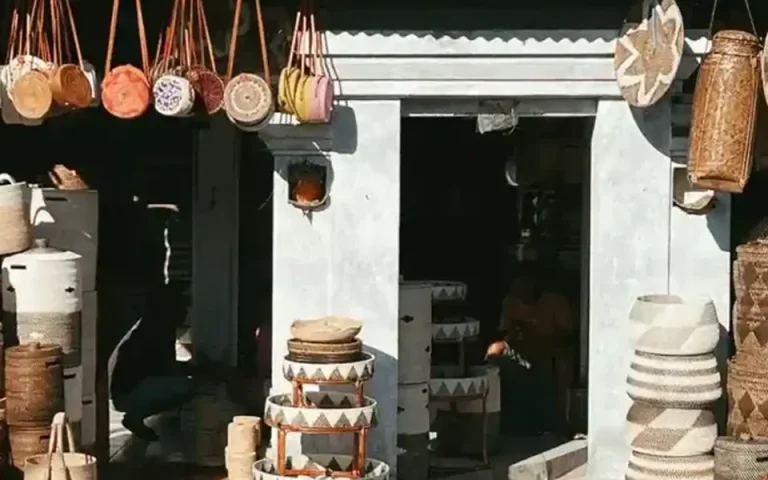
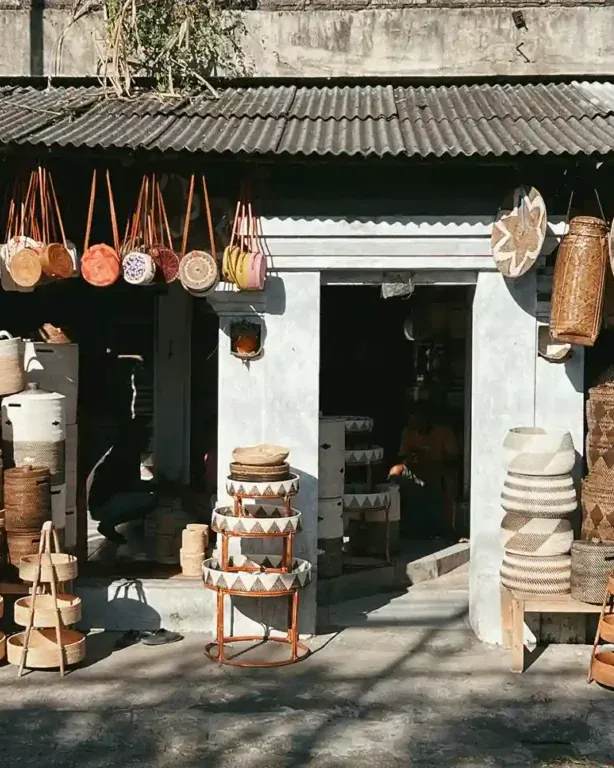
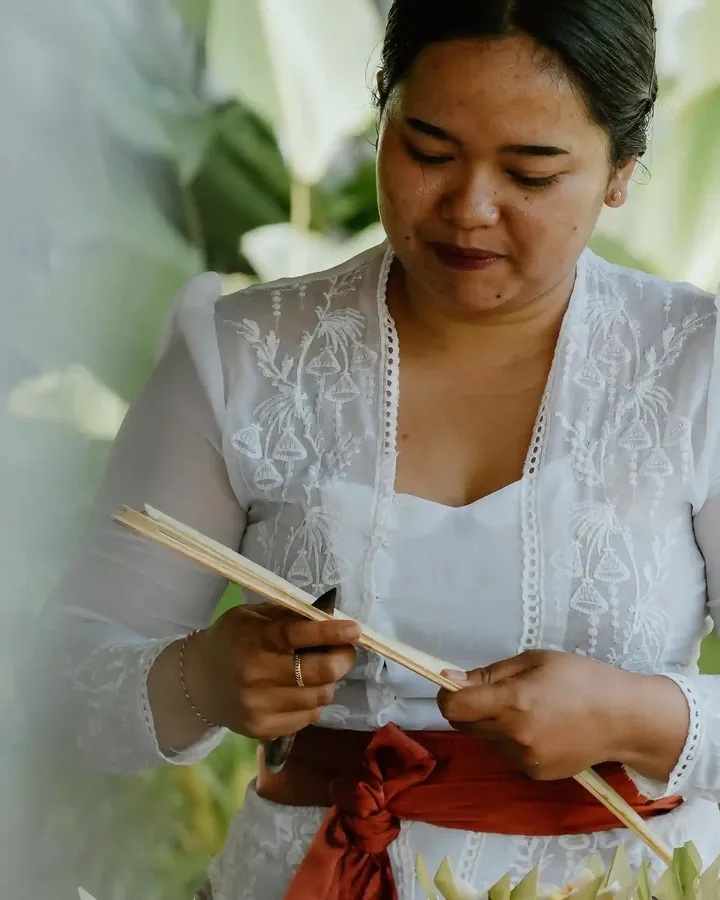
The primary production areas for Bali baskets are Ubud, Gianyar, Tegalalang, and the famous Sukawati Art Market. These regions are celebrated for their rich tradition of handicrafts and basket weaving. Each area contributes unique styles and techniques, reflecting Bali’s diverse cultural heritage. Sukawati Art Market is particularly noteworthy as a major wholesale center, offering bulk deals for export buyers. Here, you can find a wide array of natural materials, including rattan, seagrass, and pandanus, commonly used in basket production. Suppliers in these areas have been active in the export market since the early 2000s, emphasizing their experience and reliability in fulfilling international orders.
Material Choices and Customization Options
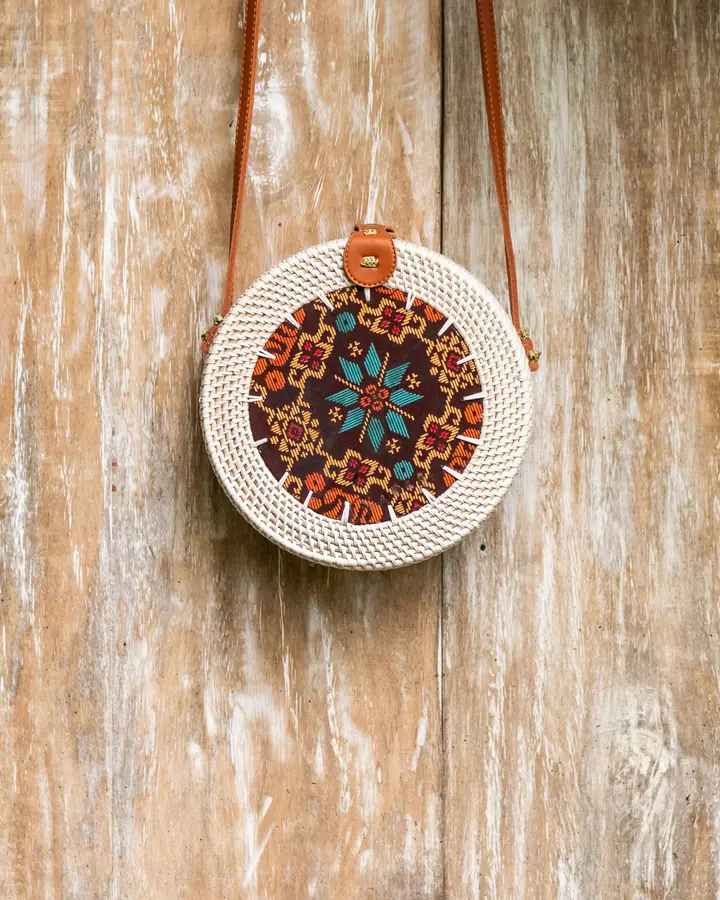
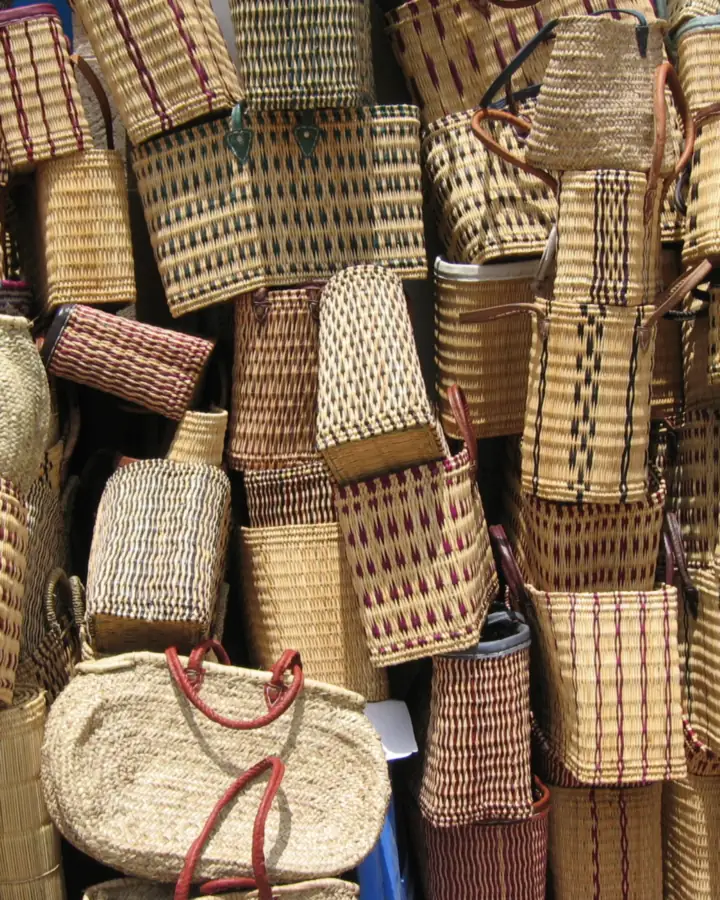
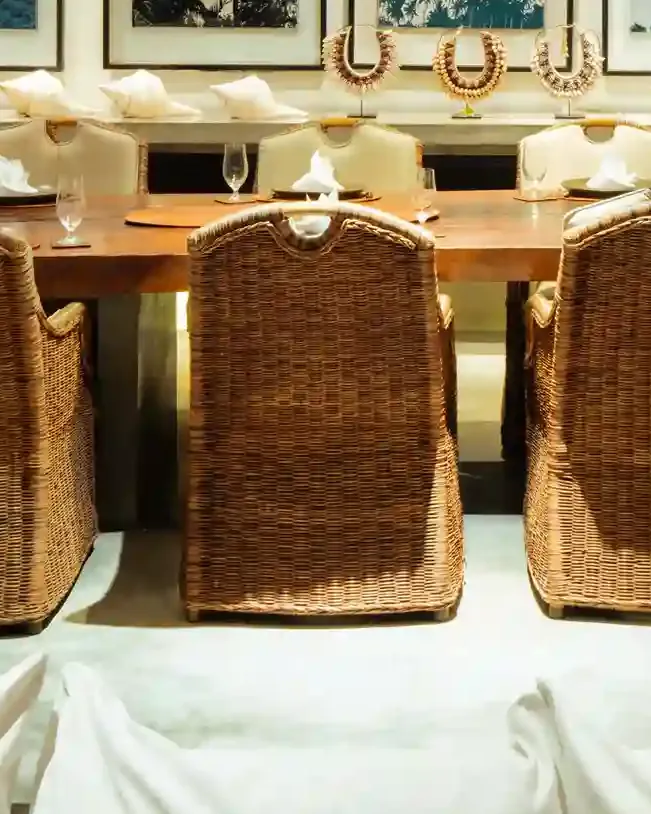
Bali basket exporters predominantly use natural materials, such as rattan, seagrass, water hyacinth, pandanus, and raffia. These materials are not only sustainable but also durable, making them ideal for home décor items. Many suppliers offer customization options to meet specific buyer requirements. This includes adjusting colors, sizes, shapes, handles, and weaving patterns. For instance, a buyer might request a particular color to match their store theme or a specific size to fit a retail display. Such flexibility ensures that buyers receive products that align with their market needs, enhancing their retail appeal.
Pricing, MOQ, and Lead Time
The wholesale price range for Bali baskets typically falls between USD 7–10 per small rattan bag and USD 12–20 per medium storage basket. Prices vary based on design complexity and material quality. Suppliers generally set a Minimum Order Quantity (MOQ) between 50 and 200 pieces per design. This ensures economies of scale while accommodating diverse buyer needs. The typical production lead time ranges from 4 to 8 weeks, depending on order volume and customization complexity. These timelines are indicative, and buyers are advised to confirm specific details with suppliers.
Logistics and Shipping Considerations
Exporting baskets involves careful logistical planning, particularly due to the bulky nature of these products. Freight costs can be significant, as baskets occupy substantial volume in shipping containers. A common technique to reduce costs is nesting, where baskets are packed inside one another. Bali has several export agents and freight forwarders specializing in handicrafts, such as Bali Cargo, who offer assistance with online orders and shipment coordination. Importers must also consider destination-country import regulations, as some markets require fumigation or quarantine certificates for natural-fiber products.
Market Position and Global Competition
Bali baskets are positioned as sustainable, natural-fiber products, appealing to the growing global demand for eco-friendly homewares. These baskets compete in a broader Asian market, with exporters like Artex Nam An offering bamboo baskets with custom branding. Bali’s emphasis on sustainability and craftsmanship provides a competitive edge, attracting buyers seeking unique and environmentally conscious products. Exporters often invite importers to visit Bali, inspect products, and arrange shipments directly, fostering transparency and trust.
Effective Marketing and Buyer Engagement
Many Bali basket suppliers utilize Instagram and basic websites to showcase their products and engage with overseas buyers. While these platforms offer convenient access to product catalogs, they also present challenges. The quality and color of baskets may differ from edited online photos, making in-person inspections valuable. Suppliers emphasize being “trusted” and “direct-sourced,” addressing buyer concerns about reliability and consistency. This focus on trust and transparency is crucial in maintaining long-term B2B relationships.
Profit Maximization Strategies for Importers
To maximize profits, importers are advised to consolidate shipments by combining baskets with other home décor items. This strategy helps spread fixed freight costs across more products, reducing the overall cost per unit. Importers should also stay informed about market trends and consumer preferences, as these can impact demand and pricing. Engaging with experienced exporters and leveraging their market insights can further enhance profitability. Buyers are encouraged to visit our guides for more tips on optimizing their import strategies.
Sustainable Practices in Basket Production
Sustainability is at the core of Bali basket production. The use of natural fibers not only reduces environmental impact but also supports local economies by utilizing readily available resources. Many producers are committed to sustainable harvesting practices, ensuring that materials like rattan and seagrass are collected in an environmentally friendly manner. Additionally, some workshops implement waste reduction techniques, repurposing offcuts into smaller items or using them as fuel. This commitment to sustainability not only aligns with global eco-conscious trends but also enhances the appeal of Bali baskets in environmentally sensitive markets.
Understanding Cultural Influences in Design
The design of Bali baskets is deeply influenced by the island’s rich cultural heritage. Traditional Balinese patterns and motifs often find their way into basket designs, reflecting the island’s artistic legacy. These designs are not only aesthetically pleasing but also imbued with cultural significance, often representing traditional symbols or stories. For buyers, understanding these cultural influences can add value to their product offerings, providing a unique selling point that resonates with consumers seeking culturally rich and authentic products. This cultural narrative can be a compelling aspect of marketing strategies, appealing to customers interested in the stories behind their purchases.
Building Long-term Supplier Relationships
Establishing strong relationships with suppliers is crucial for successful import operations. Regular communication and visits to Bali can help build trust and ensure that suppliers understand the buyer’s quality standards and expectations. Long-term relationships often lead to preferential terms and quicker turnaround times, as suppliers prioritize trusted partners. Moreover, collaborating closely with suppliers can lead to innovative product developments and the ability to respond quickly to market changes. Buyers are encouraged to engage with suppliers beyond transactional interactions, fostering partnerships that can adapt and thrive in a dynamic global market.
For detailed inquiries and to explore our product offerings, we invite you to contact us directly. Our team is ready to assist you in sourcing the finest Bali baskets for your business needs.